Everything about HVAC: Identifying Common Issues and Effective A/c Repair Service Methods
Cooling and heating systems are critical for maintaining indoor comfort. Recognizing their parts and capability is essential for recognizing common issues. Homeowners commonly encounter troubles such as inadequate cooling, unusual smells, or rising power prices. These signs can indicate underlying issues that might require interest. Checking out DIY troubleshooting methods can be advantageous, however knowing when to look for professional assistance is just as essential. What steps can be taken to guarantee long-lasting efficiency?
Understanding Your Heating And Cooling System: Components and Performance
A cooling and heating system, usually considered the foundation of indoor environment control, contains numerous essential elements that work with each other to control temperature and air high quality. The main components include the heating unit, air flow system, and cooling device. The home heating system, generally a heater or central heating boiler, creates warmth during cooler months, while the a/c unit cools indoor areas during the summer season.
Usual HVAC Issues Property Owners Experience
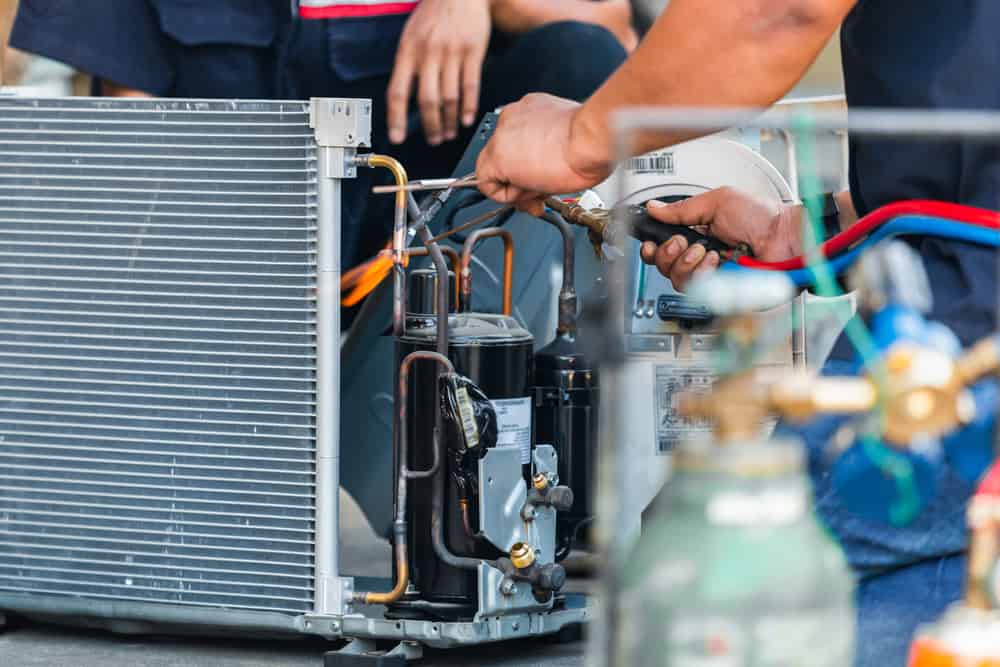
Home owners usually face numerous typical HVAC troubles, including inconsistent temperature circulation throughout their home. Furthermore, uncommon sounds throughout operation can indicate underlying issues that require focus. Resolving these issues without delay is vital for maintaining perfect system efficiency.
Inconsistent Temperature Circulation
Numerous families experience the discouraging concern of irregular temperature distribution, where specific rooms feel annoyingly warm while others continue to be also cold. This problem commonly emerges from a selection of variables, consisting of poor insulation, blocked vents, or a poorly sized a/c system. When air ducts are not adequately sealed or when furnishings obstructs air flow, some areas may get inadequate air conditioning. Additionally, thermostat placement can significantly impact temperature policy; a thermostat located in a sunlit area might misrepresent the total temperature of your house. Routine maintenance, including cleansing filters and ensuring ductwork is clear, can assist minimize these inconsistencies. Home owners might likewise take into consideration zoning systems to much better control temperature levels throughout different locations of the home, advertising a more comfortable living environment.
Unusual Noises Throughout Procedure
When a cooling and heating system operates, unusual noises can indicate underlying concerns that need interest. House owners might come across a variety of noises, such as grinding, squeaking, or hissing. Grinding noises typically indicate damaged bearings or elements, while squeaking can suggest loose belts or components requiring lubrication. Hissing may indicate a refrigerant leak, which can jeopardize the system's efficiency. Additionally, banging audios might indicate loosened ductwork or an issue with the blower fan. Each of these noises functions as a caution, prompting house owners to explore even more. Disregarding these signs can bring about even more substantial issues and costly repairs. Normal maintenance and prompt focus to uncommon sounds can improve system durability and efficiency, guaranteeing a comfy living setting.
Signs That Indicate Your AC Demands Repair Service
Just how can one inform if their a/c device is in demand of repair work? Numerous signs might indicate underlying concerns requiring specialist focus. Initially, if the air conditioner stops working to cool down the room successfully, it may suggest a cooling agent leak or compressor malfunction. Furthermore, a boost in energy costs without corresponding usage adjustments might signal inadequacy in the system. Home owners should likewise look out to uncommon scents originating from the unit, which can show mold development or electrical problems. Additionally, if the air conditioner often cycles on and off, it could be an indicator of a faulty thermostat or other mechanical issues. The presence of water merging around the system can show a clogged up drainpipe line. Identifying these signs early can save money and time, making certain that the air conditioning system runs efficiently and successfully.
Do It Yourself Troubleshooting Techniques for A/c Issues
When encountering cooling and heating problems, homeowners can employ numerous DIY troubleshooting strategies to identify the problem. Trick techniques include examining thermostat setups, inspecting air filters, and examining water drainage concerns. These steps can help pinpoint typical malfunctions prior to looking for professional aid.
Examining Thermostat Setups
What steps should homeowners take to ensure their thermostat settings are appropriate? They must verify the thermostat is set to the wanted temperature and mode, whether home heating or air conditioning. Inspecting for a clear screen and validating the thermostat is not established to "hold" or "getaway" setting is vital. Home owners ought to also verify that the thermostat is degree and installed in a location without drafts, direct sunshine, or other temperature level affects. Furthermore, rectifying the thermostat can aid supply exact readings. If the thermostat operates batteries, changing them may resolve any kind of problems. By systematically reviewing these variables, house owners can usually identify and rectify thermostat-related troubles, promoting perfect heating and cooling system efficiency.
Inspecting Air Filters
Air filters play a crucial role in preserving optimal heating and cooling performance. They trap dust, allergens, and other bits, ensuring clean air circulation. With time, filters can become clogged, reducing airflow and efficiency. To evaluate air filters, people should first locate the filter, often located in the return duct or near the furnace. Once situated, they must review the filter's condition-- if it appears dirty or stained, it likely requirements substitute. Many filters need changing every 1-3 months, relying on usage and environmental aspects. Regular evaluation and prompt replacement of air filters not only improve air quality however additionally helpful resources extend the lifespan of cooling and heating systems, preventing potential malfunctions and costly repair work.
Reviewing Water Drainage Issues
Exactly how can home owners properly determine and deal with water drainage issues within their heating and cooling systems? First, they should examine the condensate drain line for clogs or clogs, which can cause water build-up. Property owners might utilize a wet/dry vacuum to clear any type of debris blocking the line. Next, checking the drainpipe frying pan for rust or leakages is vital, as a damaged pan can cause water to overflow. Routine cleansing of the drainpipe line with a mixture of vinegar and water assists prevent future blockages. Additionally, making certain appropriate slope of the drain line advertises reliable water circulation. If these do it yourself techniques do not resolve the problem, speaking with a specialist a/c professional may be required to avoid possible water damage and system failing.
When to Call a Specialist for A/c Repairs
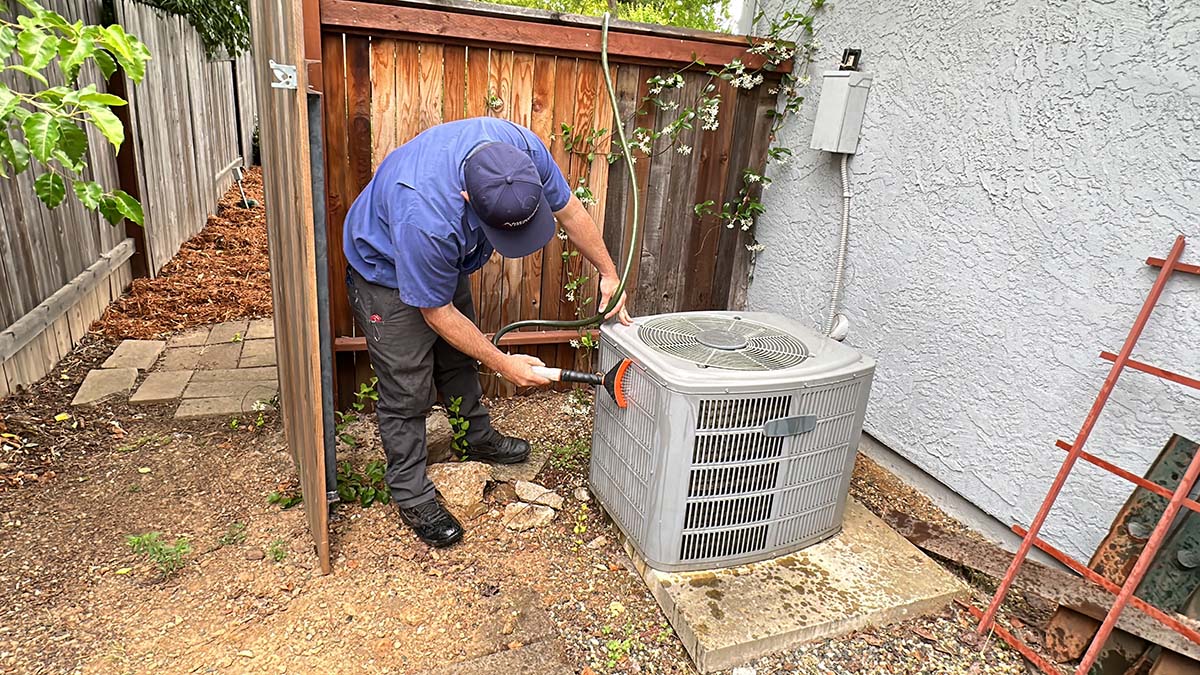
While some air conditioner concerns can be dealt with with DIY methods, there are circumstances where calling a professional becomes essential. Home owners must look for professional assistance when they come across relentless problems, such as poor cooling, weird noises, or uncommon odors originating from the device. These signs might suggest deeper issues that require specialized understanding and devices to detect and repair correctly.

Preventative Upkeep Tips for A/c Durability
Routine preventative upkeep can considerably enhance the durability of cooling and heating systems. Property owners need to set up yearly inspections by licensed service technicians to analyze system efficiency and recognize prospective issues. Routinely transforming or cleaning up air filters is crucial, as this assurances correct air movement and reduces stress on the system. Furthermore, checking and securing ductwork protects against power loss and boosts overall efficiency.
It is additionally recommended to maintain the exterior device clear of debris and plants, allowing for peak airflow and warmth exchange. Homeowners ought to check the condensate drain for obstructions to avoid water damages and mold and mildew development. Furthermore, keeping proper thermostat setups and utilizing programmable options can improve power effectiveness. Recording upkeep activities assists track service background and can aid in determining repeating issues. By following these preventative procedures, people can make the most of the effectiveness and lifespan of their a/c systems
Regularly Asked Questions
Exactly how Typically Should I Change My Cooling And Heating System Filters?
Cooling and heating system filters must usually be replaced every one to three months, depending on usage, filter type, and ecological aspects. Regular replacement helps preserve efficiency and air top quality, ensuring peak system performance throughout the year.
What Dimension HVAC System Do I Required for My Home?
To identify the proper a/c system size for a home, one should take into consideration square video, insulation high quality, and regional climate. Consulting a specialist can aid assure maximum effectiveness and convenience for the company website certain living area.
Exist Eco-Friendly HVAC Options Available?
Yes, eco-friendly cooling and heating options are offered, consisting of energy-efficient heatpump, solar-powered systems, and geothermal heating. These alternatives reduce energy intake and environmental impact, advertising sustainability while keeping effective environment control for property and industrial spaces.
Exactly How Can I Enhance My a/c System's Power Effectiveness?
To improve cooling and heating energy effectiveness, one can on a regular basis keep the system, seal air leaks, install programmable thermostats, make use of energy-efficient filters, and guarantee sufficient insulation throughout the home to minimize power usage and boost efficiency.
What Is the Average Life Expectancy of a Cooling And Heating System?
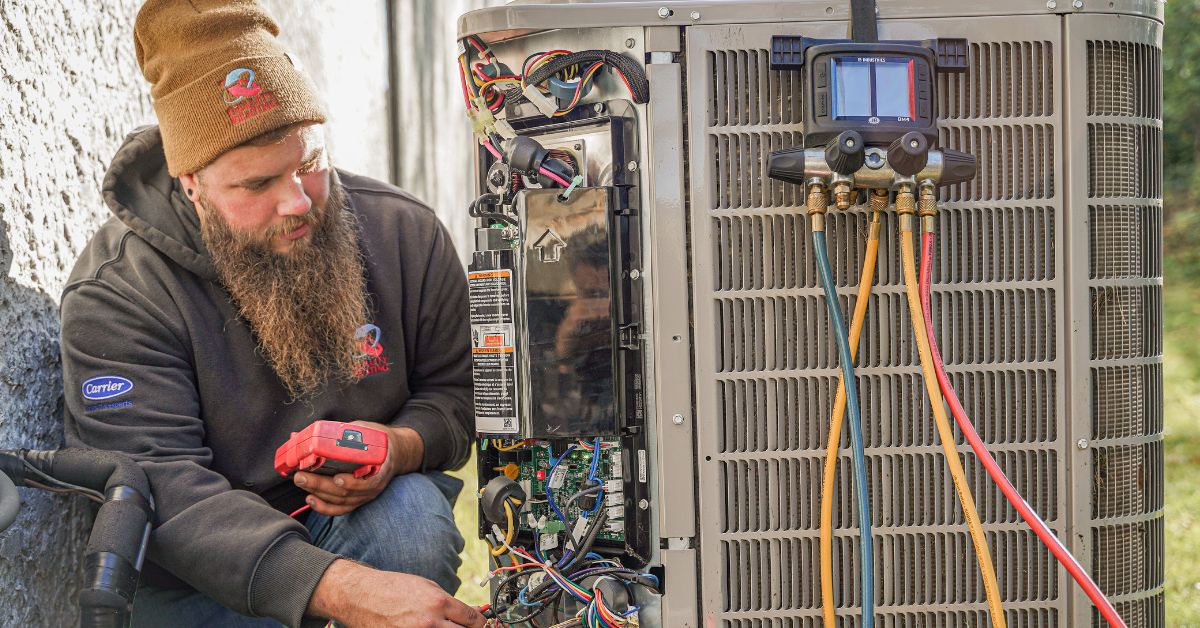
The ordinary life-span of a heating and cooling system generally ranges from 15 to 25 years, relying on factors such as maintenance, use, and the top quality of installation. Routine upkeep can substantially expand its operational long life.
Final thought
In summary, a complete understanding of cooling and heating systems equips home owners to determine common problems and address small issues effectively. Identifying signs of breakdown, employing DIY troubleshooting methods, and why not try this out prioritizing normal upkeep can enhance system efficiency and efficiency. When faced with complicated repair work, getting expert help is vital to assure safety and security and durability. By promoting recognition and positive care, people can enjoy a comfortable interior setting while decreasing unanticipated expenses connected with HVAC failures.
Comments on “AC unit replacement: timeline explained”